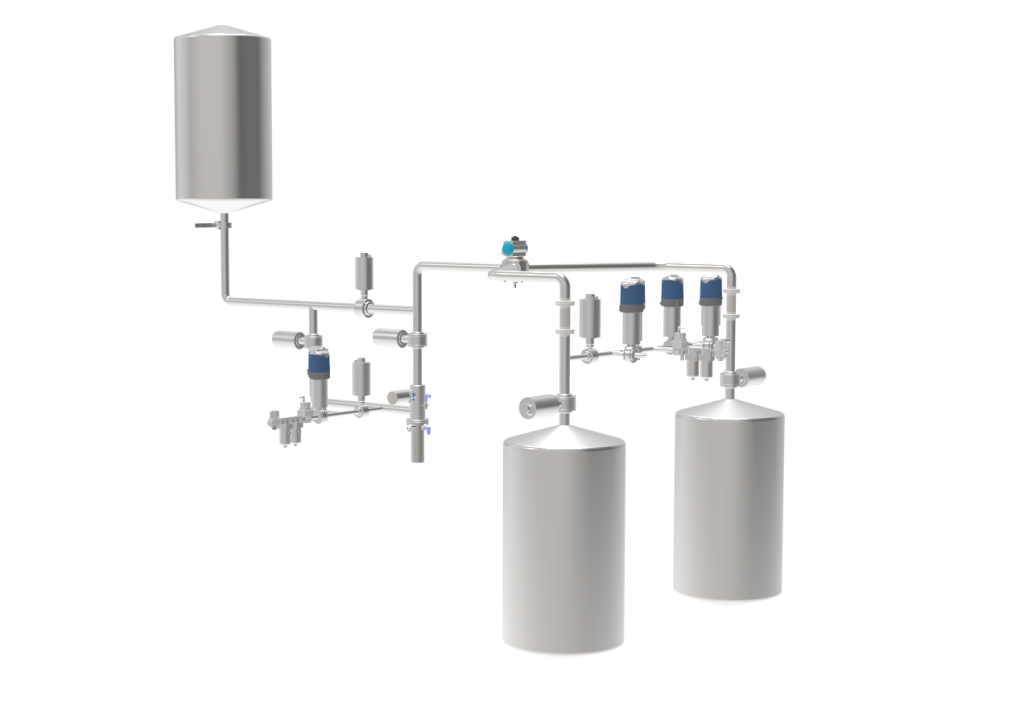
Inventively handling conduit sanitizing processes substantially uplifts stream effectiveness although restricting clusters and guaranteeing constructive pipeline cleaning pigs sturdiness.
Pipeline scraping stands as a fundamental operation for maintaining the condition of hydrocarbon conduits. This process incorporates using a equipment, often called a “pig,” to travel through the channel and dislodge buildups like encrustation, diagnose degradation, and restore flow performance. Comprehending the diverse categories of pigging activities, from elementary sphere pigs to more elaborate intelligent pigs with monitors, is key for increasing pipeline robustness and cutting performance fees.
Such Practice of Duct Scrubbing Tools
A activity of pipeline cleaning, often carried out with specialized tools known as scrapers, is a surprisingly sophisticated area of science. These devices aren't just just brushes; their design and operation are rooted in circulating dynamics and fabric science. Commonly, pigs are introduced into a conduit and travel with the flow of the item, sequentially removing masses of encrustation, decay, and other residue. Numerous types of pigs are present, each fabricated to address specialized challenges. For instance, inductive pigs deploy magnetic energy to travel through challenging bends and descents, while cellular pigs break clung deposits. The potency of a pigging initiative is closely linked to learning the channel's characteristics and selecting the right pig for the operation.
- Tool Kinds
- Circulating Mechanics
- Composition Reaction
Elevating Every Line Scouring Operation
To guarantee foremost output of your complex, precise pipeline cleaning is absolutely important. Regularly checking your pipelines and adopting a structured cleaning method can profoundly diminish downtime and escape costly restorations. Consider including preventative initiatives, such as periodic clearing with appropriate fluids, and exploiting advanced methods like pigging or hydrojetting to eradicate buildup. A efficient cleaning regime will enhance pipeline longevity and upgrade overall operational efficiency.
Scouring for Pipeline Upkeep: Best Guidelines
To ensure optimal line work, employing pipeline cleaning systems is critical. Best procedures involve recurrent assessments of pig status and adoption of the right type for the particular purpose. Careful scheduling of tool measurements, element, and drive mechanism is essential. Furthermore, comprehensive documentation of inspection processes and any observed abnormalities is key for productive channel holding oversight.
What is Pigging? Learning Pipeline Washing Technology
Purging, sometimes known as pipeline inspection technology, is a crucial procedure for maintaining the condition of pipelines used for transferring liquids and gases. Essentially, a “pig” – termed a cylindrical mechanism – is operated through the pipeline to remove debris, buildup, and rust that gathers over time. This scrubbing task allows to recover flow effectiveness, decrease the risk of malfunctions, and lengthen the service life of the full pipeline framework.
Categories of Conduits Scrubbing Launchers: Choosing the Appropriate Tool
Various types of passage scouring apparatus are at hand to handle differing line states. Two-way pigs advance in both trajectories, fitting for clearing specific debris. Plate gadgets are notable for eliminating encrustations from pipe walls, while brush mechanisms are crafted for combating rust and thick film aggregation. Sponge gadgets deploy tailored chemical mechanisms to liquefy obstructions, and magnetized instruments enable advanced testing capabilities. Therefore, scrupulous appraisal of pipeline peculiarities is important for selecting the proper device for the mission.
Pros of Regular Pigging for Pipeline Robustness
Regular cleaning events offer substantial favorable effects for pipeline integrity. These self-operating tools effectively dispose of deposits like sediments and oxidation, which can obstruct flow and erode the pipe’s body. By spotting damage early, pigging provides proactive upkeep, curtailing the likelihood of costly collapses and maintaining the steady operation of the total pipeline network. This, in turn, improves functionality and reduces operational disbursements.
One Step-by-Step Guide to the Pipeline Cleaning Process
To launch the passage cleaning method, primarily, a complete examining of the infrastructure is necessary. Thereafter, the optimum cleaning strategy is identified, which has the potential to include methods like brushing or formula application. The instrument is then strictly inserted into the conduit and sent along its range. During the journey, the apparatus erases accumulated scale. Finally, the cleansed mechanism is collected, and a final review validates the duct’s neatness.
Troubleshooting Common Issues in Pipeline Pigging
Addressing problems that appear during pipeline purging operations is required for retaining paramount flow efficiency. Frequent issues often focus around device jamming within the duct, which can be because of build-up of buildup, hydrate generation, or incorrect alignment of the gadget. Proper recognition often includes pressure controlling, visual assessment of pig recording data, and potentially specialized equipment for pig retrieval. Furthermore, obstacles related to compromised cups or seals on the gadget also press for instant attention to hinder more critical operational breakdowns and costly overhauls.